
Schenectady Root Zone Calculation for TPZ Fencing: Compliance Guide
Electric City Temp Fence provides precise Root Zone Calculation for TPZ fencing in Schenectady, NY. Serving neighborhoods like Downtown, Stockade, Vale, and Hamilton Hill, we help protect historic 1920-1950 buildings and natural assets near the Mohawk River. Our local expertise ensures compliance with municipal regulations and safeguards tree health in the region's unique climate and urban environment.
Root Zone Calculation for TPZ Fencing in Schenectady
- We set the line to protect the full root zone.
- We use tree protection zones hardware that fits tight sites.
- We pair that with concrete steel bases and zero trip hazard details when foot traffic runs close.
- We check tree protection ordinances and keep the layout aligned with the site plan.
Calculation Steps
- State how we size the TPZ from the tree’s critical root area before any trenching or panel layout starts.
- Match the fence line to the root zone shape on the ground, especially around mature trees in Stockade and Vale and Hamilton Hill.
- Use stable base hardware and clear walk paths so the setup holds firm without crushing roots or creating trip points.
- Keep access planned for inspections, gate movement, and emergency work near Downtown projects and the Vale Cemetery and Park edge.
- Tie the layout back to local tree protection rules and the TPZ rental hardware we use on active jobs in Schenectady.
| Step | What we do | Why it matters |
|---|---|---|
| Measure the trunk zone | We mark the TPZ from the tree’s center before staking the line. | That keeps the root area protected from compaction and cutting. |
| Place the panels | We set tree protection zones panels to match the root spread. | The fence follows the real site condition, not a guess. |
| Stabilize the base | We use concrete steel bases and check interlocking hooks. | The line stays upright through traffic, wind, and muddy ground. |
| Keep access safe | We add wheel assisted gates where crews and inspectors need entry. | Access stays open without dragging hardware across roots. |
Root Zone Calculation for TPZ Fencing in Schenectady — Part 2
Root zone calculation for TPZ fencing in Schenectady involves measuring the area around trees where roots are likely to extend. In neighborhoods like Stockade and Eastern Avenue, this ensures compliance with local tree protection ordinances. The process includes assessing soil type, tree species, and proximity to structures like Vale and Hamilton Hill homes. Proper fencing prevents root damage during construction. Use Tree Protection Zones to meet Schenectady's requirements.
Key Terminology
- TPZ
- Tree Protection Zone, a buffer area around trees.
- Root Zone
- Area where tree roots extend underground.
- Stockade Fencing
- Temporary fencing used in residential areas.
- Eastern Avenue Compliance
- Local rules for fencing near tree roots.
- Vale and Hamilton Hill
- Neighborhoods with specific TPZ requirements.
- Proctors Theatre
- Landmark influencing local fencing regulations.
In Simple Terms
Calculate the root zone to protect trees during construction.
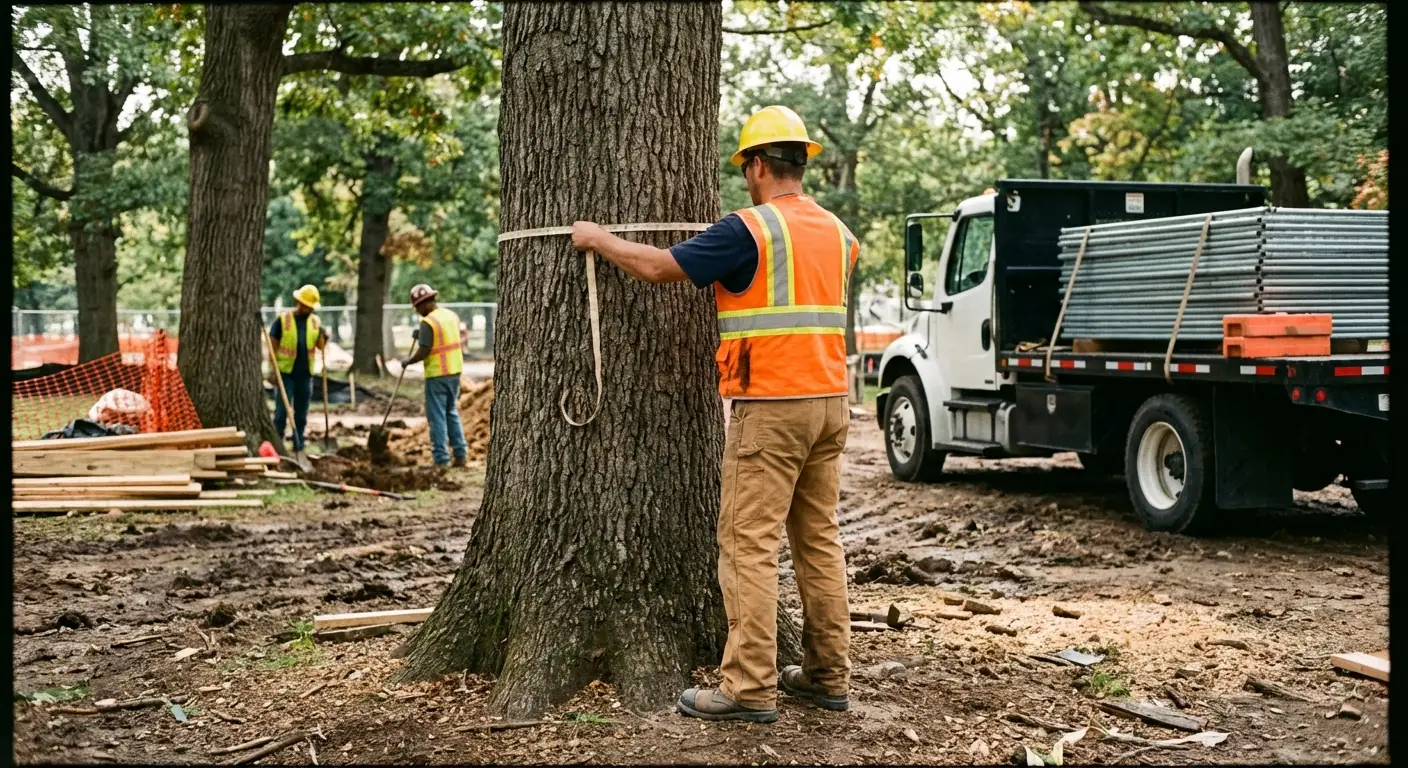
Root Zone Protection Specifications
Technical requirements for tree protection zone fencing installations near Schenectady's historic districts.
| TPZ Diameter Range | 12"-36" diameter root protection zones |
|---|---|
| Compliance Standard | ANSI A300 Part 5 Tree Protection |
| Material Requirements | Galvanized steel fencing ($45-$65/linear foot) |
| Installation Depth | 18" minimum below grade near Stockade district properties |
| Inspection Frequency | Biweekly during construction ($150-$250 per visit) |
| Penalty Non-Compliance | $500-$2,000 per violation (Schenectady City Code 12.08) |
| Signage Interval | Every 30 linear feet |
TPZ Root Zone Compliance
Contact Schenectady technicians for accurate tree protection zone fencing installations.
Common Mistakes in Root Zone Calculation for TPZ Fencing
Root zone calculation for TPZ fencing demands precision to protect trees and meet compliance. Mistakes here can risk tree health, delay projects, and lead to costly corrections in Schenectady neighborhoods.
Ignoring the Critical Root Zone Radius
Underestimating the root zone radius risks damaging essential roots, causing tree stress or death and possible violations in areas like Eastern Avenue.
Measure root zones based on tree species and diameter, ensuring fencing placement outside the critical root area.
Using Uniform Radius for Different Tree Sizes
Applying a one-size-fits-all radius misses larger trees’ root spread, leading to inadequate protection in locations such as Union Street.
Calculate root zones individually, adjusting radius per tree size and species for effective fencing.
Placing Fencing Too Close to Tree Trunks
Installing fences too near trunks disrupts soil compaction and root growth, particularly harmful in older suburbs near 1920_1950 common buildings.
Set fencing well beyond trunks to avoid compacting the root zone, preserving tree health during construction.
Overlooking Soil Type and Slope in Calculations
Ignoring soil and terrain factors can cause root zone miscalculations, increasing erosion and root damage risks downtown.
Incorporate soil composition and slope data when defining root zones to ensure stable fence placement.
Failing to Update Calculations After Site Changes
Not revising root zones after excavation or grading leads to outdated protection zones, risking tree damage around Schenectady County Community College.
Reassess root zones post-site alteration to adjust fencing and remain compliant.
Root Zone Calculation for TPZ Fencing: Compliance Guide
When things need to be secure, fast, you don’t guess—you measure, verify, and adapt. Since Schenectady’s 2006 flood, we’ve treated every temporary fence as both a barrier and a steward of the ground it touches. Our crew knows that protecting tree root zones isn’t just about compliance—it’s about respecting the city’s living infrastructure, from Downtown’s mature elms to Stockade’s heritage maples.
-
Measure Before You Move
Accurate root zone measurement prevents fence encroachment on protected tree areas. We use calibrated laser distance meters and cross-reference municipal tree maps before placing any panel. This avoids costly rework and keeps projects aligned with Schenectady’s tree protection ordinances.In PracticeOn Union Street near Vale, we adjusted fence layout after detecting a 22-inch sugar maple’s drip line extended further than shown on site plans.
-
Stability Matches Soil Type
Schenectady’s mix of clay-heavy soil near Mohawk Harbor and looser fill in post-1950 neighborhoods affects how deep and wide a root zone buffer must be. We pair base choices—like concrete-steel bases—to soil compaction levels to prevent shifting.In PracticeIn the Stockade district, we used wider steel bases after rain softened the historic clay substrate beneath a TPZ perimeter.
-
Buffer Width Reflects Tree Age
Older trees in neighborhoods like Downtown and Hamilton Hill often have extensive root systems that extend well beyond the trunk. We calculate buffer zones using trunk diameter at breast height (DBH), not just visual canopy spread, to meet local compliance standards.In PracticeA 36-inch DBH oak near Eastern Avenue required a 15-foot radial buffer—double the default—verified with an air-spade inspection.
-
Reconfigure Without Compromise
Temporary Protective Zone fencing must adapt as excavation or grading changes the site. Our modular-reconfiguration system lets crews adjust fence lines without disturbing root zones or violating SWPPP dust controls.In PracticeAt a Mohawk Harbor retrofit, we shifted three panel sections inward after a utility trench revealed shallow lateral roots—no stakes driven, no soil compacted.
Electric City Temp Fence follows Schenectady’s tree protection ordinances and OSHA safety standards on every TPZ project, using field-verified root zone calculations—not estimates—to guide placement.
FAQ: Root Zone Calculation for TPZ Fencing in Schenectady, NY
Common TPZ fencing questions from Schenectady, NY field work, including root mapping near Union Street, Stockade, Downtown, and Vale Cemetery and Park.
How is the root zone set for TPZ fencing near Vale Cemetery and Park?
Start with the tree trunk, then map the dripline and site conditions near Vale Cemetery and Park. In Schenectady, NY, an arborist or site foreman often adjusts the TPZ after checking soil compaction, grade changes, and exposed roots. The fence line follows the protected area, not the work convenience.
What local conditions change TPZ calculations on Union Street?
Union Street in Schenectady, NY has older residential lots, narrow setbacks, and mixed paving around the 1920_1950 common housing stock. Those conditions usually shrink usable work space and push TPZ fencing outward from tree stems. Root spread gets checked against curb lines, walks, and former utility trenches.
Do Downtown Schenectady sites need a different TPZ layout?
Downtown Schenectady, the central business district, often has hardscape, basement vaults, and sidewalk cuts that change how roots travel. TPZ fencing there usually follows the widest practical root influence, then gets tightened only with field confirmation. Concrete edges and excavations around building fronts matter.
What happens when a TPZ crosses Stockade residential property lines?
Stockade in Schenectady, NY has mature trees, tight lot lines, and older walkways that leave little room for staging. If a TPZ crosses property lines, the fence layout is documented against the actual root spread and the work limits. Crews avoid leaning on fences, storage, or spoil near the protected area.
How does OSHA affect TPZ fencing setup on a job site?
OSHA affects how the fence is installed, signed, and kept intact around the root zone in Schenectady, NY. The layout needs clear boundaries, stable posts, and access control so equipment stays out of the TPZ. Field crews also watch for trip hazards where fencing meets sidewalks or drive aisles.
What field signs show the TPZ calculation needs adjustment?
Exposed roots, heaved soil, mulch mounds, and old trench cuts near Schenectady, NY trees often point to a larger protected root area. If the site near Vale Cemetery and Park or Union Street has slope changes, the calculation gets revised before fencing goes up. Fresh excavation marks also change the boundary.
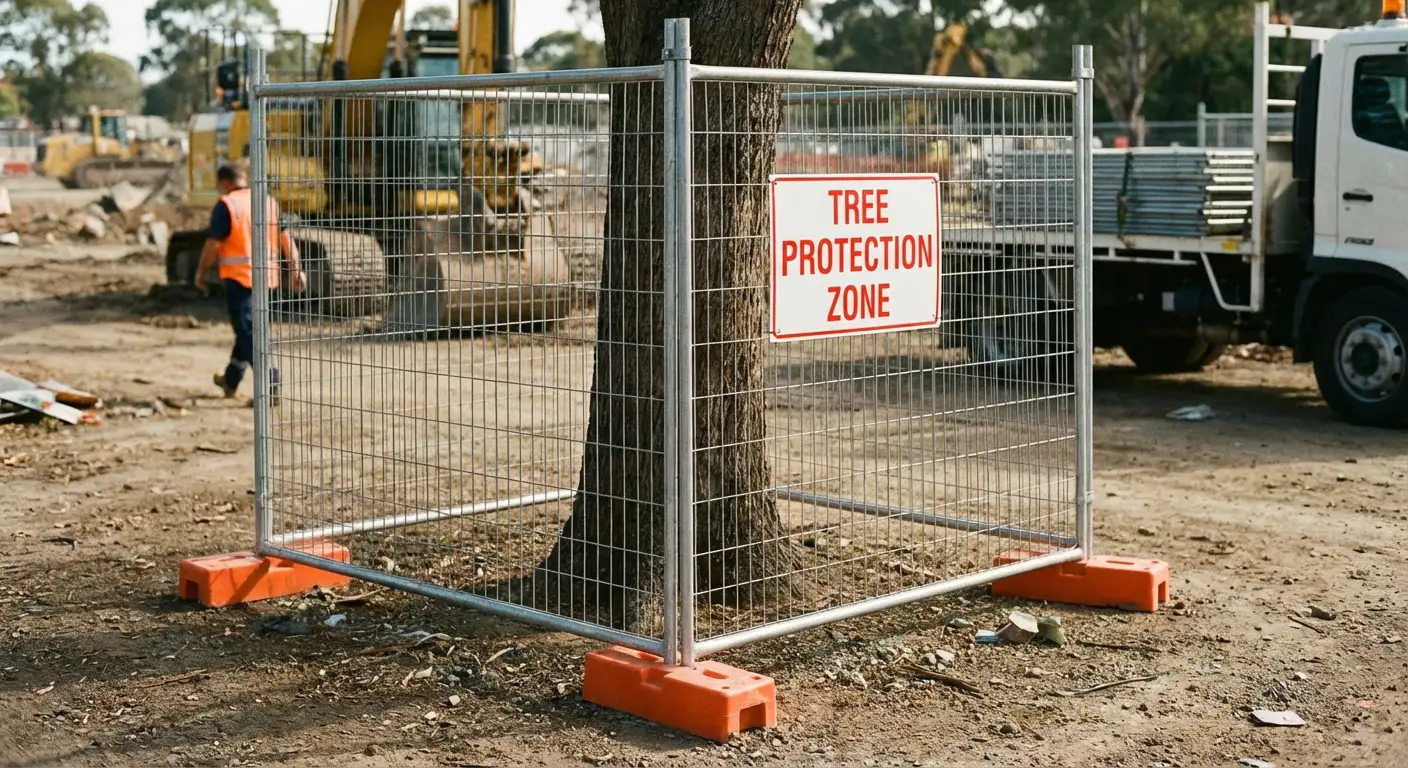
Ensure TPZ Compliance Through Accurate Root Zone Calculation
Request technical site assessments for temporary fencing installations to maintain compliance with Schenectady municipal environmental protection standards and tree preservation regulations.
Serving construction projects across the Schenectady NY metropolitan area.