Schenectady Physical Fencing vs Electronic Surveillance: Site Security Comparison
Electric City Temp Fence helps Schenectady, NY job sites choose the right protection between physical fencing and electronic surveillance. For Downtown projects, Stockade renovations, and builds near Vale, Hamilton Hill, or the Mohawk River, weather, foot traffic, and 1920-1950 neighborhood layouts can affect access control and liability. We explain when barriers are required, what electronic monitoring can supplement, and how to secure your site fast.
Why Cameras Alone Won't Save Your Site
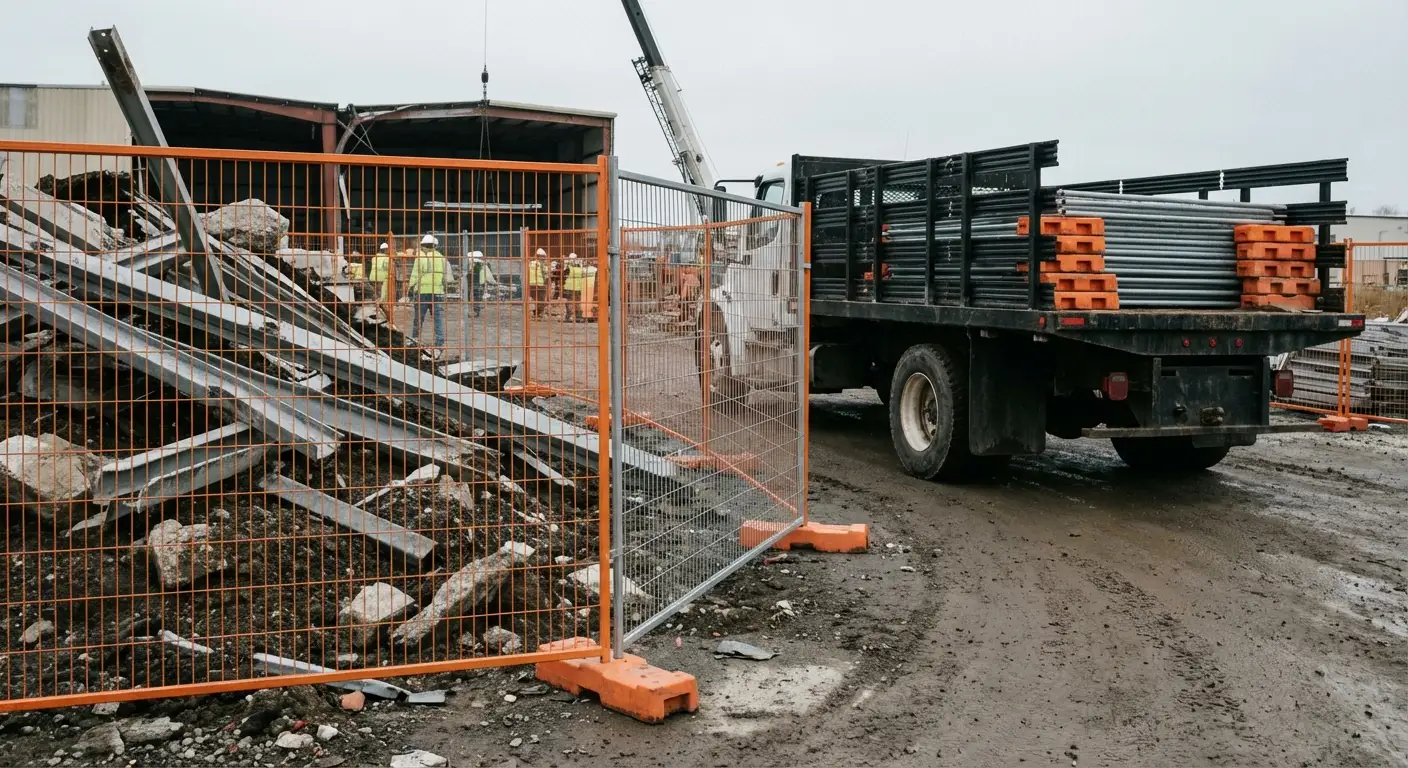
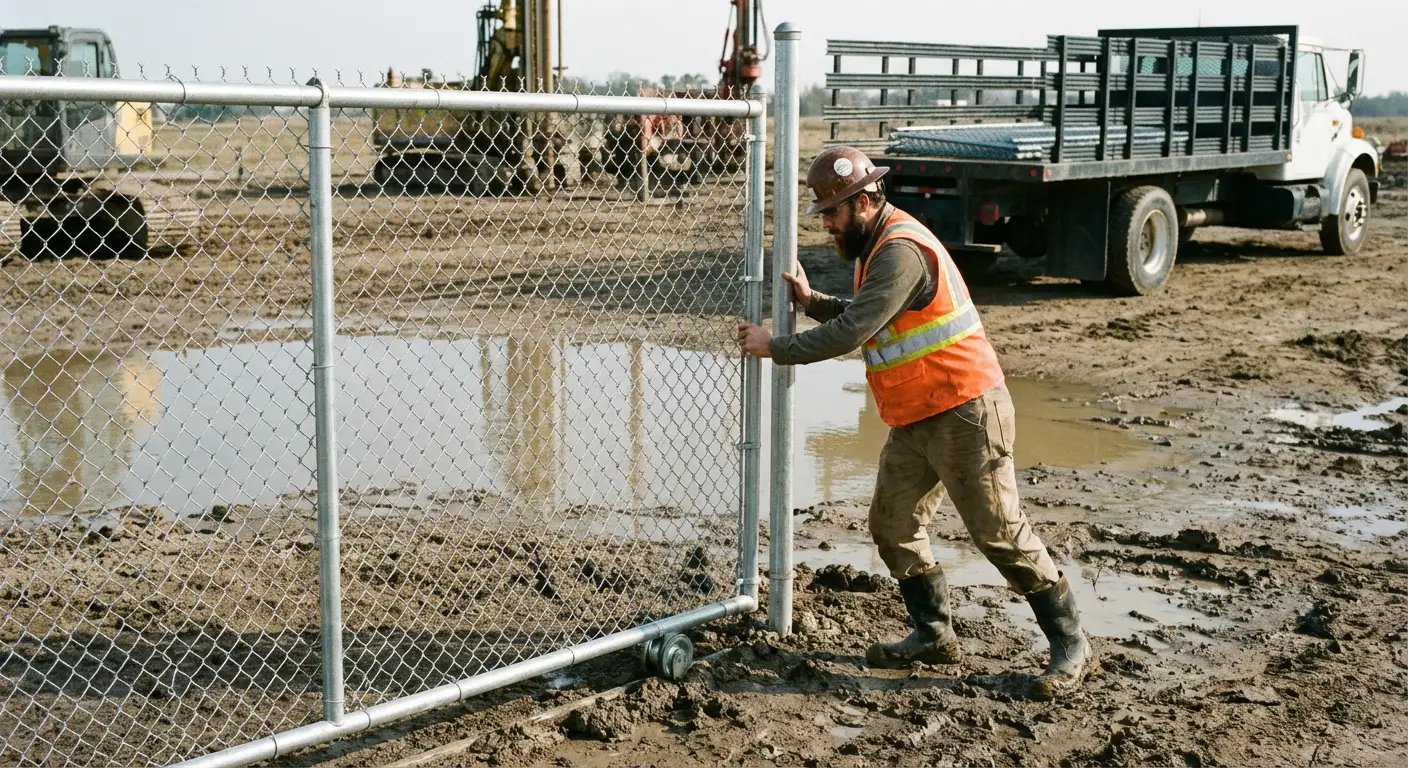
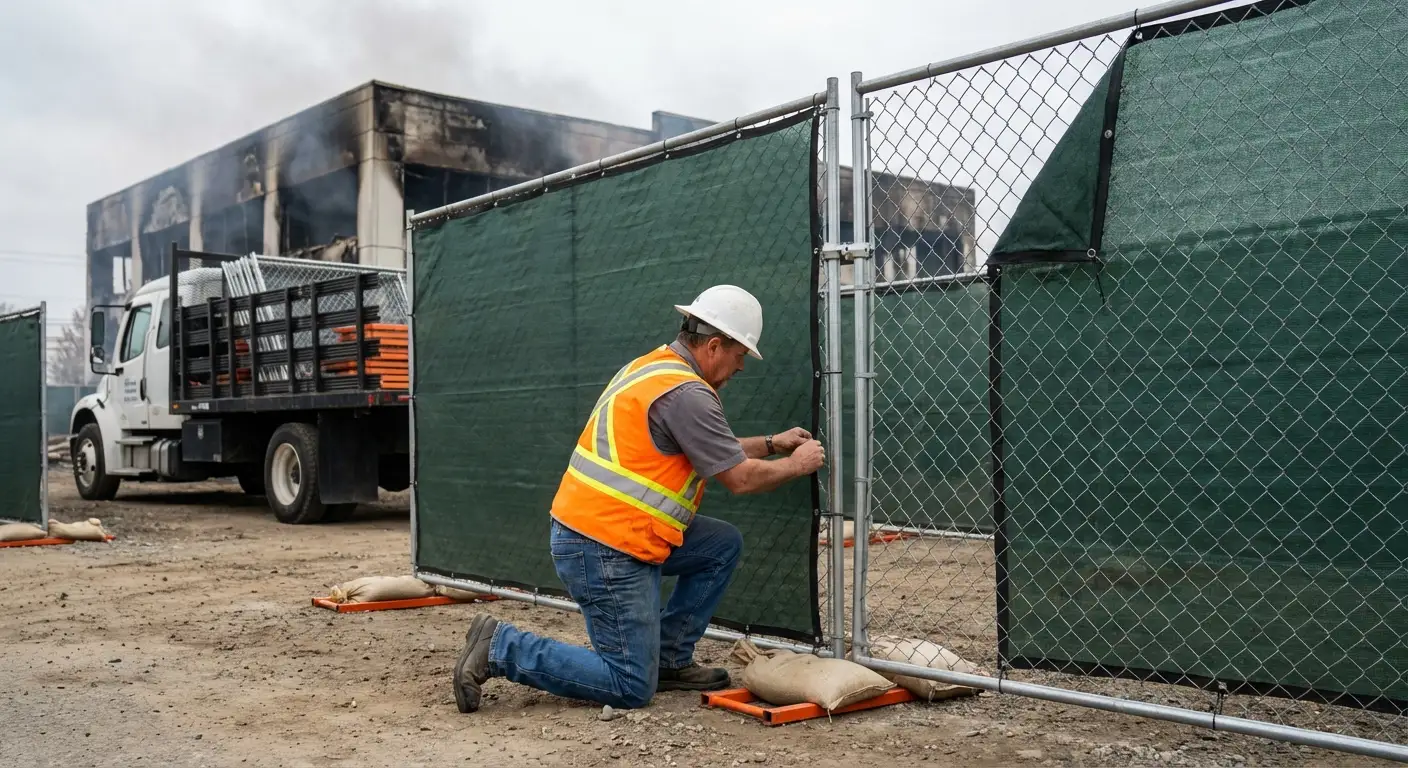
I remember watching a crew struggle after the '06 floods when unsecured sites became magnets for scrap metal thieves. A camera records a theft, but it doesn't stop the person from climbing over. We've seen folks in Downtown try to rely solely on tech, only to find their equipment gone by sunrise. Real security starts with a physical line in the sand. We use chain link panels to create a tangible boundary that forces a trespasser to make a choice. If you're working near the Eastern Avenue residential zones, you need more than a blinking red light; you need a solid perimeter. We often pair our privacy windscreens with heavy-duty posts because hiding the assets is just as important as blocking the path. Our approach focuses on site theft prevention through actual obstruction, not just observation. Relying on electronics without a fence is like having a doorbell but no front door.
-
[object Object]
-
[object Object]
-
[object Object]
-
[object Object]

Physical Fencing vs Electronic Surveillance: Which Secures Sites Best in Schenectady?
Comparing sturdy physical fences and high-tech surveillance for real Schenectady site security.
Electronic Surveillance: Monitoring High-Traffic Institutional Sites
Combining Both: Effective Site Security on Eastern Avenue
Secure Your Schenectady Site with Trusted Temporary Fencing
Physical barriers deter trespassing and meet OSHA site requirements.
Physical Fencing vs Electronic Surveillance for Site Security in Schenectady
Physical fencing and electronic surveillance solve different site security problems across Schenectady projects.
| Excluded Service | Reason for Exclusion | Alternative Provider |
|---|---|---|
|
Perimeter fencing for active work zones
|
Physical fencing gives immediate separation around active zones, directing foot traffic away from hazards, debris, and equipment more reliably than cameras alone during busy Downtown or Hamilton Hill workdays. |
Use continuous fence lines, locked gates, and visible wayfinding at each entry point.
|
|
Anti-climb fence panels for exposed lots
|
Tall rigid panels create a visible barrier that reduces casual entry, vandalism, and material loss on vacant parcels near Stockade and older 1920_1950 streets where access points stay open. |
Install anti-climb panels with tight panel joins and monitored gate hardware.
|
|
Camera-backed monitoring for blind spots
|
Electronic surveillance covers blind corners, rear access lanes, and nighttime activity, but it depends on power, clear sightlines, and active monitoring to be effective around cultural sites like miSci. |
Pair cameras with fencing so operators see breaches after barriers slow entry.
|
|
Access control at delivery points
|
Controlled gates handle contractor checks, vehicle staging, and after-hours closures better than open-camera coverage, especially where temporary traffic patterns shift near mixed residential blocks in Vale and Hamilton Hill. |
Limit entry to one staffed gate and document every delivery movement.
|
|
Hybrid site security layout
|
Combined fencing and surveillance performs best on uneven sites, where cameras verify incidents and fencing manages physical delay, helping crews maintain safer conditions without relying on one system alone. |
Map high-risk edges first, then add cameras only where fence lines leave gaps.
|
Why Steel Outperforms Sensors for Schenectady Site Security
After 16 years securing everything from Ellis Hospital projects to Union Street renovations, we know physical fencing provides what cameras can't: immediate, unambiguous boundaries that don't blink during storms or power failures. Our concrete-steel bases and wind-resistant panels handle Schenectady's harsh winters while electronic systems freeze. For residential areas like Eastern Avenue, nothing beats the deterrence of climb-resistant post-driven fencing that actually stops entry attempts rather than just recording them.
-
1
Physical Presence Deters Trespassing
A visible fence creates an immediate psychological barrier that electronic surveillance can't match. We see this daily in Schenectady neighborhoods like Vale and Hamilton Hill.
Real World ExampleStopped unauthorized access at Ellis Hospital construction site last fall.
-
2
No Power Dependency
Our chain-link panels stand guard 24/7 without electricity or internet outages affecting performance, unlike electronic systems.
Real World ExampleMaintained security during Northeast blackout of 2023.
-
3
Instant Perimeter Establishment
We can secure a 300-foot lot along Eastern Avenue with interlocking hooks before cameras finish system calibration.
Real World ExampleProtected flood-damaged homes on Union Street within 2 hours.
-
4
Tangible Boundary Clarity
Residents and workers clearly understand property lines with physical barriers, avoiding the gray areas of surveillance zones.
Real World ExamplePrevented disputes at Stockade historic district renovation.
Delivering security you can see and touch, day or night, in any weather.
Physical Barriers vs Electronic Detection: Securing Schenectady's Urban Spaces
When protecting commercial and residential sites around Schenectady, we've learned that no single security solution fits every scenario. Physical chain link fencing provides immediate visual and structural deterrence, especially in dense urban neighborhoods like Downtown and Stockade. Electronic surveillance offers continuous monitoring but lacks the immediate physical obstruction that temporary fencing delivers. Our approach integrates both technologies, leveraging strategic security investments tailored to each property's unique vulnerabilities. Understanding local architectural patterns—like the 1920-1950 suburban expansion zones—helps us recommend precise security configurations that balance visibility, access control, and technological monitoring.
Site Assessment Checklist
- Understand physical fence limitations
- Compare surveillance technologies
- Evaluate security investment strategies
- Assess site-specific security requirements
- Consider local urban landscape considerations
Compare Physical Fencing and Electronic Surveillance Solutions
Evaluate site security options including physical fencing and electronic surveillance for Schenectady, NY properties.
Serving Schenectady with reliable site security expertise
Physical Fencing vs Electronic Surveillance: Site Security Comparison
Compare physical fencing and electronic surveillance effectiveness for site security in Schenectady’s residential and commercial areas.
How does physical fencing perform in Schenectady's residential neighborhoods like Vale and Hamilton Hill?
Physical fencing provides a visible barrier deterring casual trespassers near homes in Vale and Hamilton Hill but requires regular maintenance against weathering and vandalism common in these areas.
What challenges exist for electronic surveillance around the miSci museum area?
Electronic surveillance near miSci faces issues like glare from lighting and occasional signal interference from nearby construction, requiring strategic camera placement and ongoing adjustments.
Are physical fences compliant with local Schenectady regulations for site security?
Physical fences installed by Electric City Temp Fence on Union Street adhere to city codes regulating height and materials, ensuring compliance with Schenectady zoning and safety standards.
How does electronic surveillance handle security in the 1920_1950 common building zones?
Electronic surveillance in these older building zones requires equipment adaptation to structure thickness and power availability, impacting camera placement and coverage around these historic sites.
What operational limitations affect physical fencing on Eastern Avenue construction sites?
Eastern Avenue sites face soil instability and frequent vehicle movement, causing fence posts to shift or loosen, demanding regular realignment and reinforcement by onsite crews.
Can electronic surveillance fully replace fencing in Schenectady residential zones?
Electronic surveillance supplements but does not replace fencing in residential zones; physical barriers on streets like Union Street provide immediate visual security and prevent unauthorized entry.